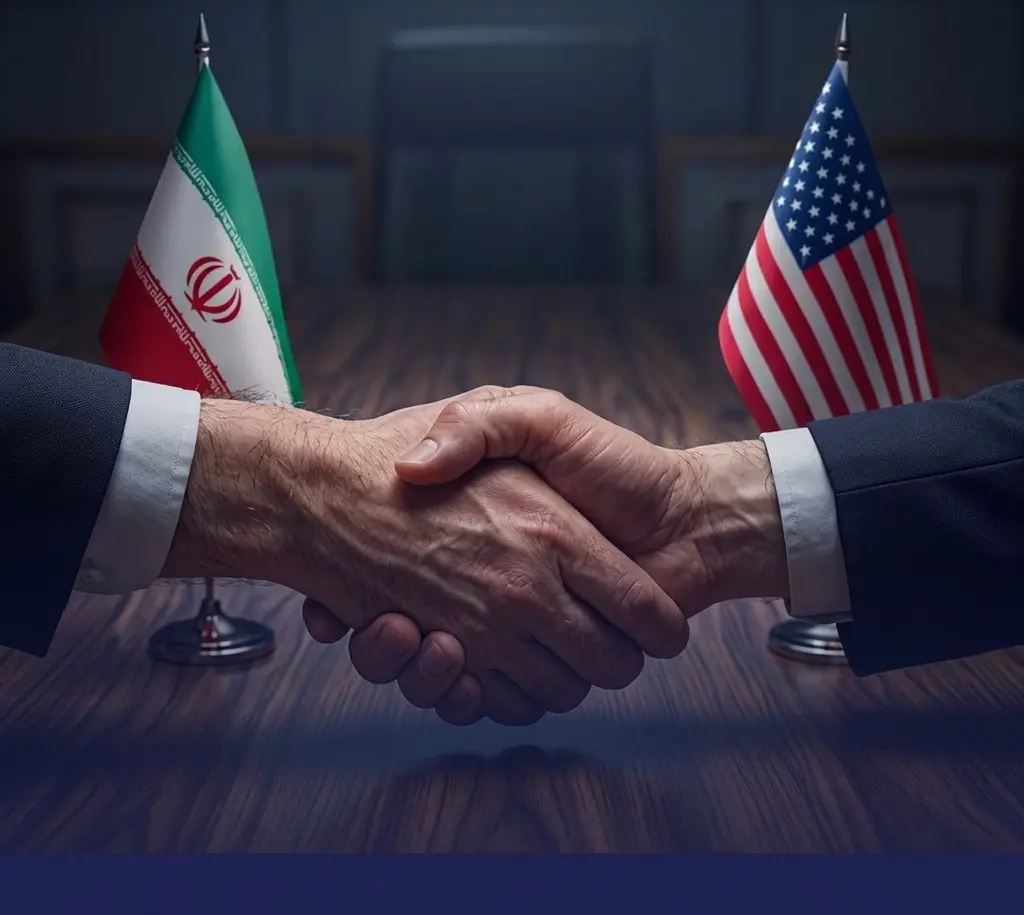
In a significant diplomatic development, Iran and the United States have signed a Memorandum of Understanding (MOU) aimed at reducing regional tensions and establishing a structured framework for future bilateral negotiations. The agreement was finalized in Islamabad, with Pakistan playing a central mediating role in facilitating dialogue between the two long-time geopolitical rivals.
According to diplomatic sources, the MOU focuses on immediate de-escalation measures, including the reduction of hostile military posturing in sensitive regional areas and the strengthening of communication channels to prevent further escalation. Both parties have also agreed to initiate a 60-day negotiation process to work toward a more comprehensive agreement covering security cooperation, maritime stability, and economic restrictions.
The Government of Pakistan, under the leadership of the Prime Minister, was instrumental in bringing both delegations to the negotiating table. Pakistan reportedly hosted multiple rounds of behind-the-scenes discussions and provided a neutral platform in Islamabad to support confidence-building measures. Officials described Pakistan’s role as that of a “constructive facilitator of peace,” emphasizing its long-standing diplomatic relations with both countries.

Iranian representatives welcomed the agreement as a step toward recognizing mutual sovereignty and reducing external pressures, while maintaining that national interests remain non-negotiable. U.S. officials characterized the MOU as an important confidence-building mechanism designed to stabilize the broader Middle East region and reduce the risk of further escalation.
The agreement also highlights cooperation on maritime security, particularly ensuring safe and uninterrupted commercial shipping routes through strategically important waterways. Analysts note that such provisions could have a positive impact on global energy markets and international trade stability if implemented effectively.
International observers have described the development as an early but meaningful shift toward diplomatic engagement. However, they caution that the success of the agreement will depend on sustained political will and the effective implementation of commitments made by both sides during the negotiation period.
Further rounds of talks are expected to continue in neutral diplomatic venues, with Pakistan likely to remain engaged in supporting dialogue efforts and regional stability initiatives.