
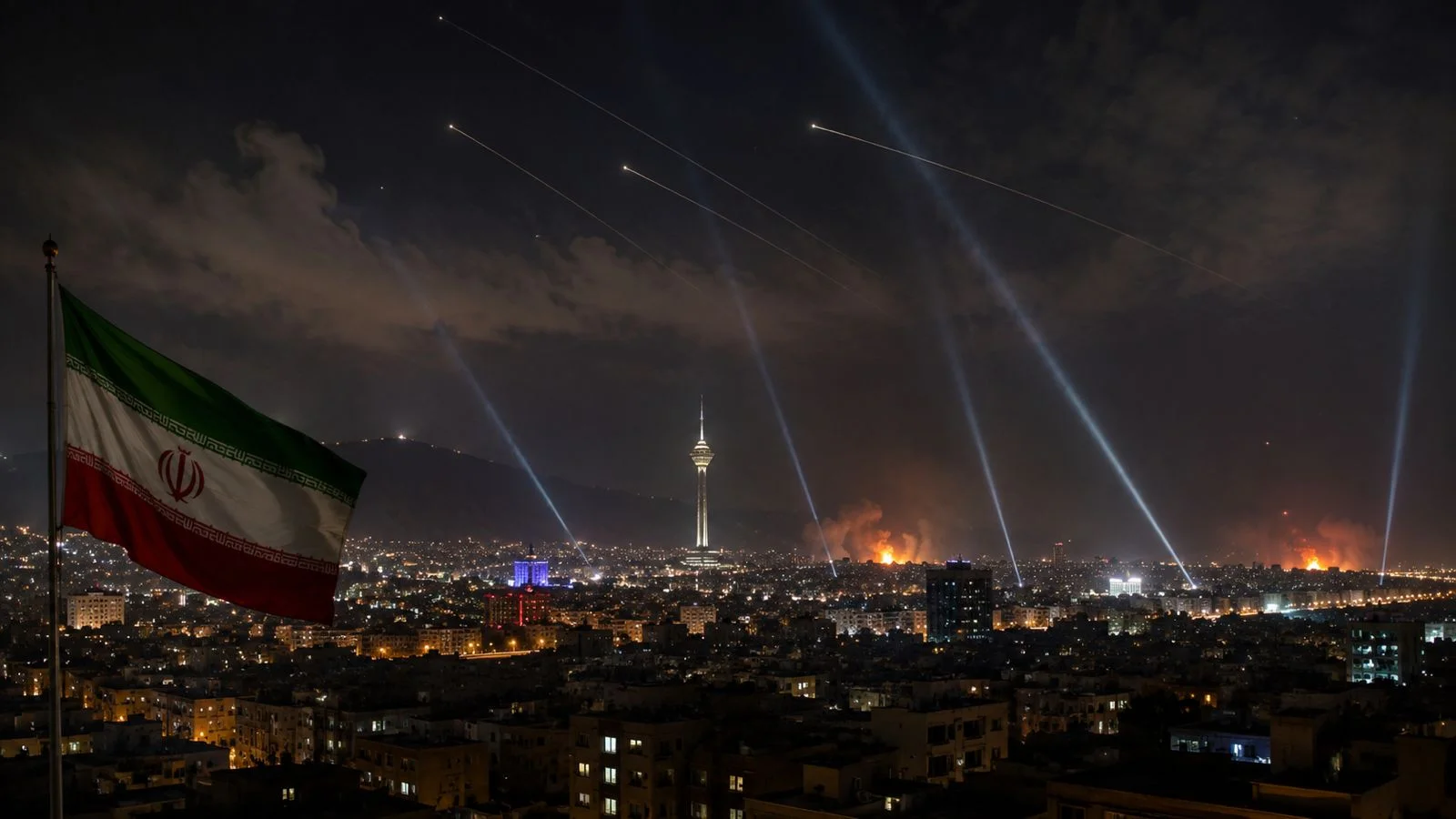
Tehran, June 2026 The ongoing conflict involving Iran, the United States, and Israel continues to pose a significant challenge to regional stability, as sustained military confrontations and diplomatic setbacks heighten concerns about the potential for a broader Middle Eastern conflict.
The crisis began on February 28, 2026, when the United States and Israel conducted coordinated military operations targeting Iranian strategic, military, and defense-related facilities. Officials in Washington and Tel Aviv described the strikes as a response to longstanding security concerns and an effort to reduce Iran’s military capabilities and regional influence.
Iran responded with a series of missile and unmanned aerial vehicle (UAV) attacks directed at Israeli territory, U.S. military installations, and allied assets across the region. The exchange of hostilities represented one of the most serious escalations in Middle Eastern security tensions in recent years, prompting widespread international concern regarding the risk of further military expansion.
While diplomatic mediation efforts led to temporary ceasefire arrangements earlier in the year, the agreements have proven fragile. Renewed exchanges of strikes and counterstrikes have underscored the volatility of the situation and highlighted the challenges facing international efforts to achieve a sustainable de-escalation. Security analysts and foreign policy experts continue to warn that a miscalculation by any party could trigger a wider regional confrontation involving additional state and non-state actors.

Beyond its military dimensions, the conflict has generated substantial economic repercussions. Particular attention has focused on the Strait of Hormuz, a strategically vital maritime corridor through which a significant share of global energy supplies passes. Heightened security risks and concerns over potential disruptions to commercial shipping have contributed to increased volatility in international energy markets and added uncertainty to global trade flows.
The humanitarian impact of the conflict remains a growing concern. Communities across affected areas continue to experience air-raid warnings, security restrictions, transportation disruptions, and economic instability. International organizations have repeatedly emphasized the need to protect civilian populations and maintain access to essential services amid the ongoing hostilities.
World leaders and multilateral institutions have continued to advocate for restraint, dialogue, and renewed diplomatic engagement. However, progress toward a comprehensive settlement remains limited, with recurring military actions complicating efforts to establish a durable framework for peace and regional security.
As tensions persist, the Iran–U.S.–Israel confrontation has emerged as one of the defining geopolitical crises of 2026. Its implications extend well beyond the Middle East, influencing global energy security, international trade, diplomatic relations, and the broader international security environment. The trajectory of the conflict in the coming months is expected to remain a central focus for policymakers, markets, and security institutions worldwide.